
Sustainability begins with longevity. A rug that remains beautiful and functional for decades is already a meaningful environmental choice. But what happens when a rug's journey in your home comes to an end?
At Woodnotes, sustainability has always started with enduring design and durable materials. Based on customer feedback, our paper yarn rugs have an average lifespan of around 12-30 years. For a natural-fibre rug, this is exceptionally long.
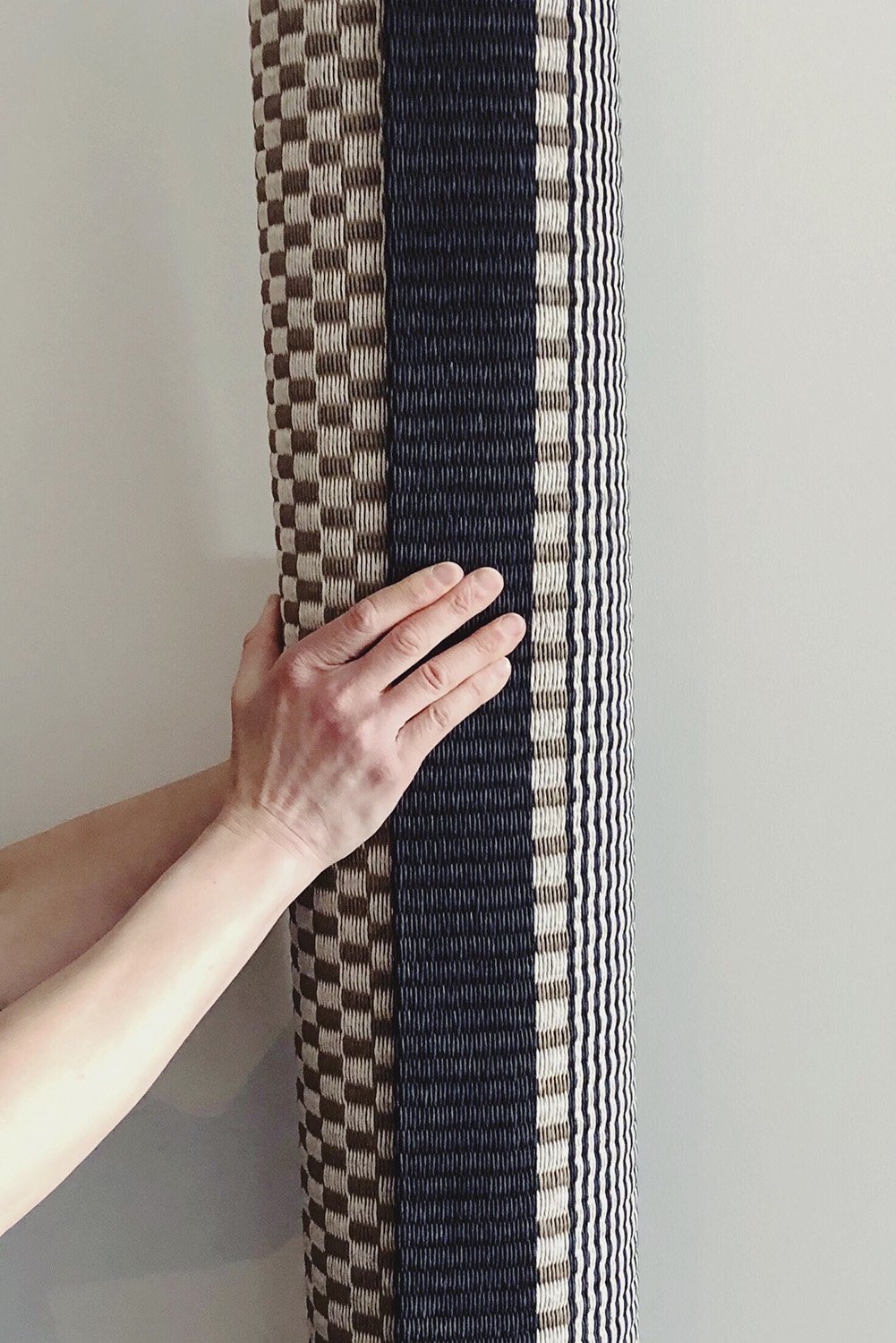
Their longevity stems from two qualities. The first is timeless design. A well-designed rug does not follow trends; it lives alongside changing interiors and adapts to different stages of life. The second lies within the material itself. Paper yarn derives its strength from wood fibre, and the dense weave of Woodnotes rugs makes them remarkably durable and fairly easy to maintain year after year.
Like all natural materials, paper yarn ages gracefully. With time, the surface develops a soft patina, colours become more mellow, and the structure relaxes. These changes are not flaws but traces of life lived. Much like weathered wood or worn linen, a paper yarn rug tells a story through use.
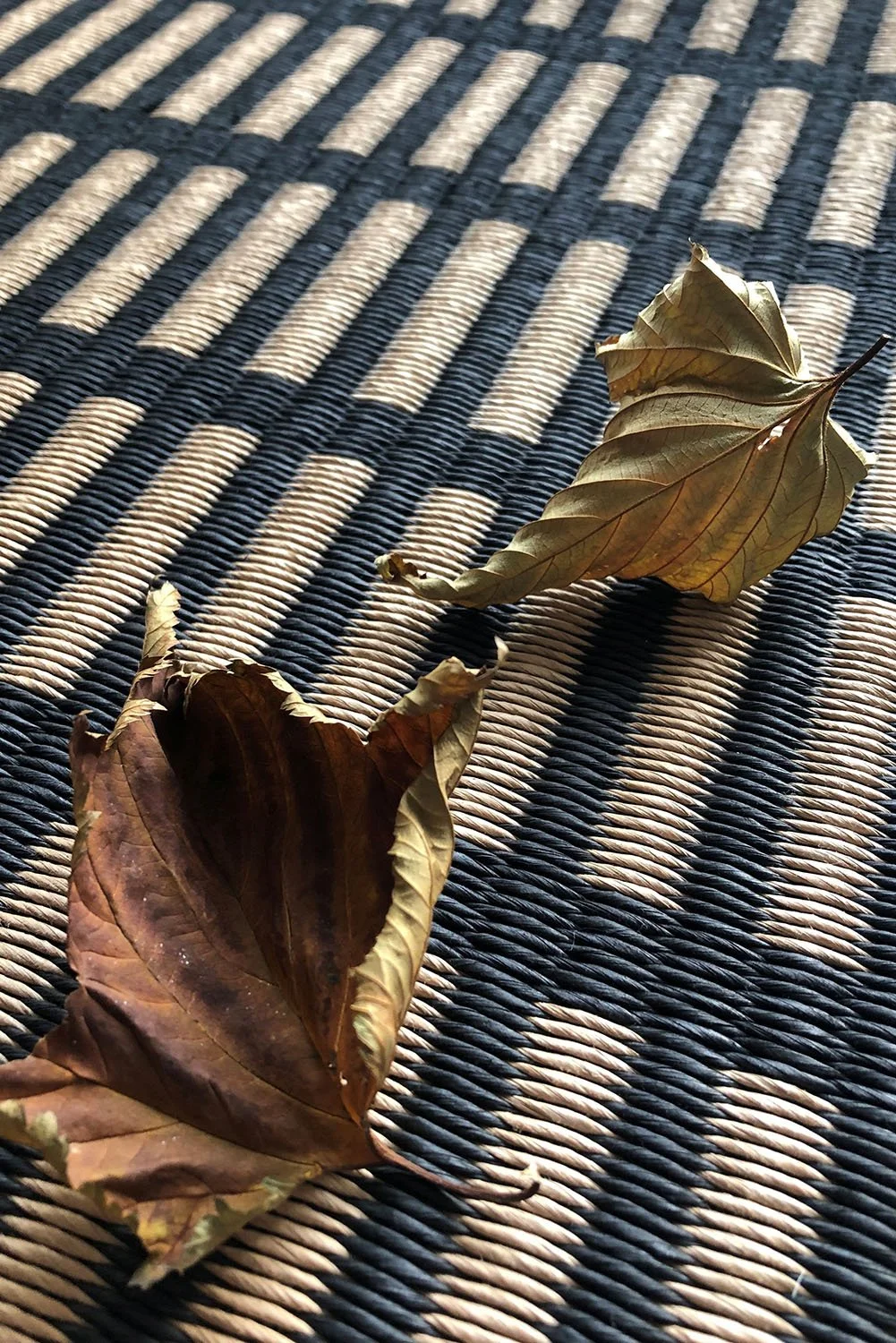
Yet there may come a moment when a rug no longer fits its surroundings, even if it still has many years of life ahead of it. In such cases, giving the rug a new beginning is often the most sustainable choice.
A New Home for a Familiar Companion
The character that develops over decades of use may be exactly what someone else is looking for. A vintage design rug can bring warmth, authenticity, and history to a new interior.
Many Woodnotes rugs continue their lives through second-hand marketplaces or design-focused resale platforms. A rug that has served one family for years may become a cherished part of another home.
Passing It Forward
Donating a rug is another meaningful way to extend its lifespan. If the rug is clean and in good condition, organisations that accept home textile donations can help connect it with a new owner.
Charities, community organisations, and even local activity spaces may find practical uses for rugs that still have plenty of life left in them.
Finding a New Purpose
Sometimes a rug's next chapter is not as a rug at all.
Many local recycling centres and workshops welcome material donations for creative reuse projects. In Finland, for example, workshops (such as UUSIX-verstaat in Helsinki, Finland) give materials a second life through repair, craftsmanship, and upcycling initiatives. You can look for similar workshops in your own locality.
Natural materials often inspire new possibilities when viewed from a different perspective.
When Recycling Becomes Necessary
When a rug has reached the end of its usable life and can no longer be reused, the most responsible option currently available is energy recovery through mixed waste collection, following local waste management guidelines.
Unfortunately, recycling solutions for rugs remain limited. Unlike many other household textiles, rugs consist of dense and durable structures that make material recycling technically challenging. This applies not only to paper yarn rugs but to rugs in general.
We continue to follow developments within textile recycling and circular economy initiatives closely. As new solutions emerge, we will update our guidance accordingly.
A Woodnotes rug is designed to accompany everyday life for decades. And when its role finally changes, we hope it can continue its journey in one form or another, whether in a new home, a new purpose, or ultimately as part of a future circular solution.
Thank you our Friend for helping us extend the life of every rug.