Uni

€0.00

Design Woodnotes design team (2018)

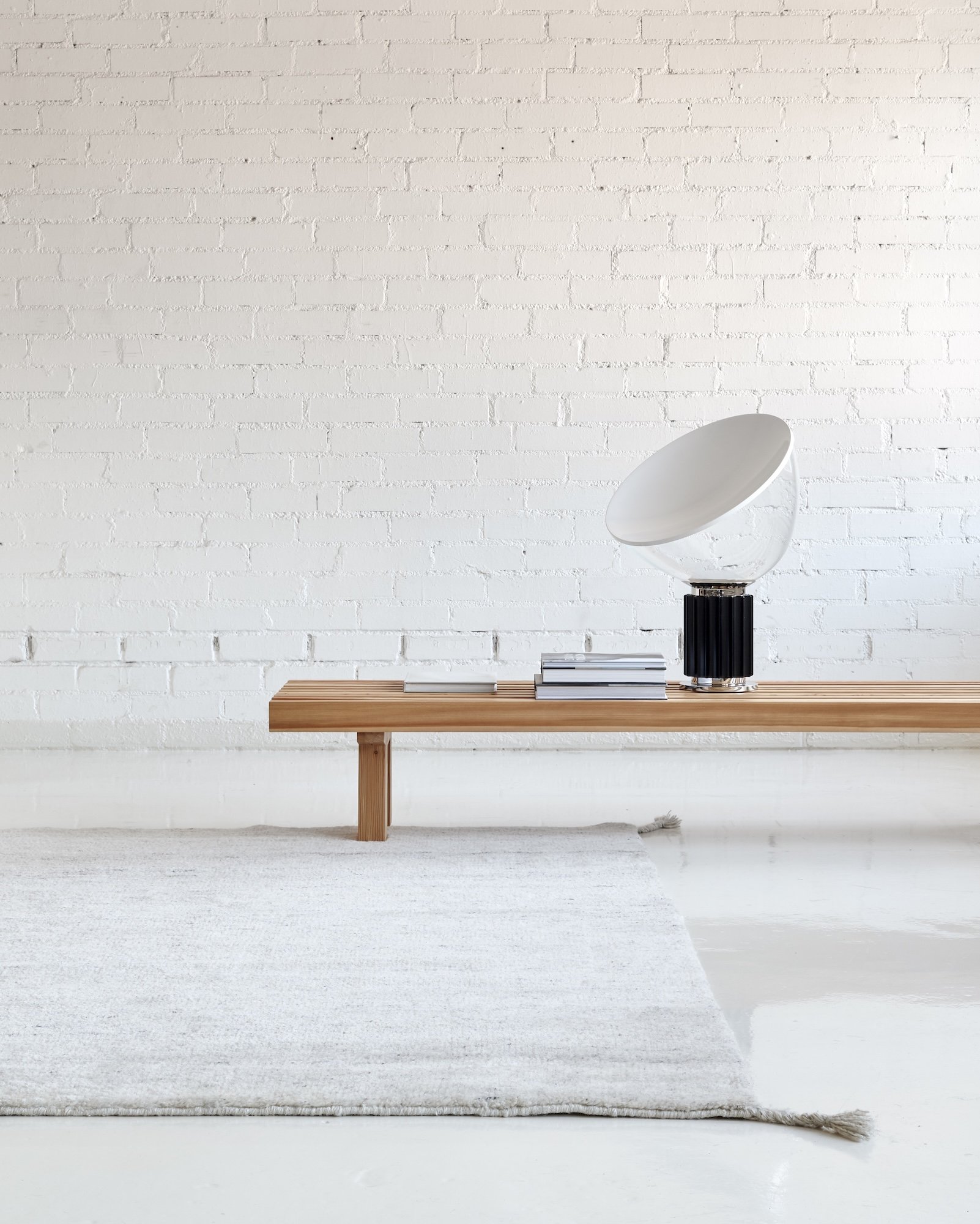
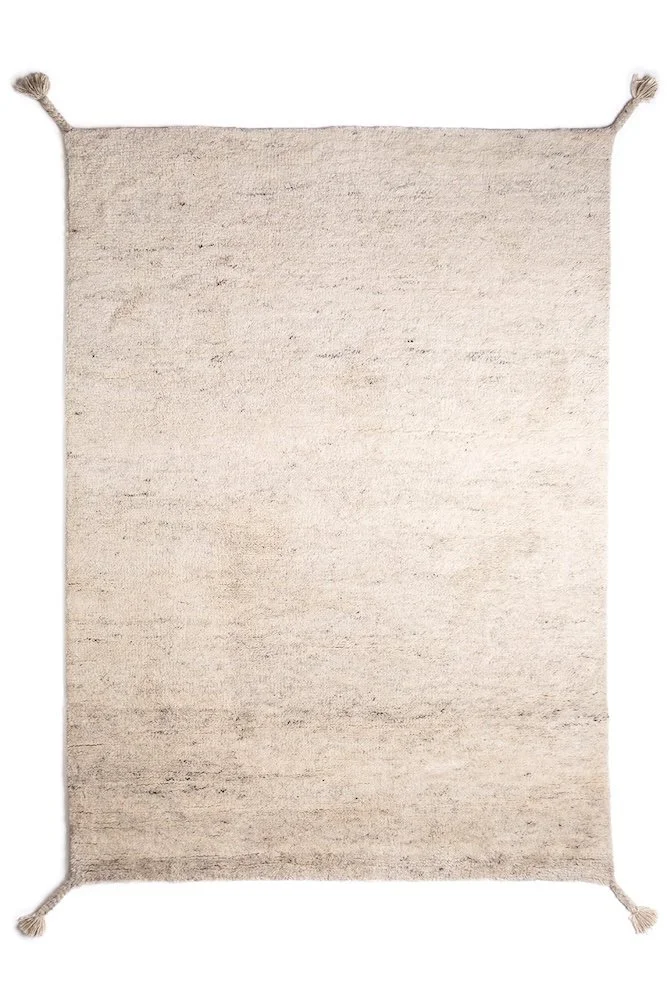
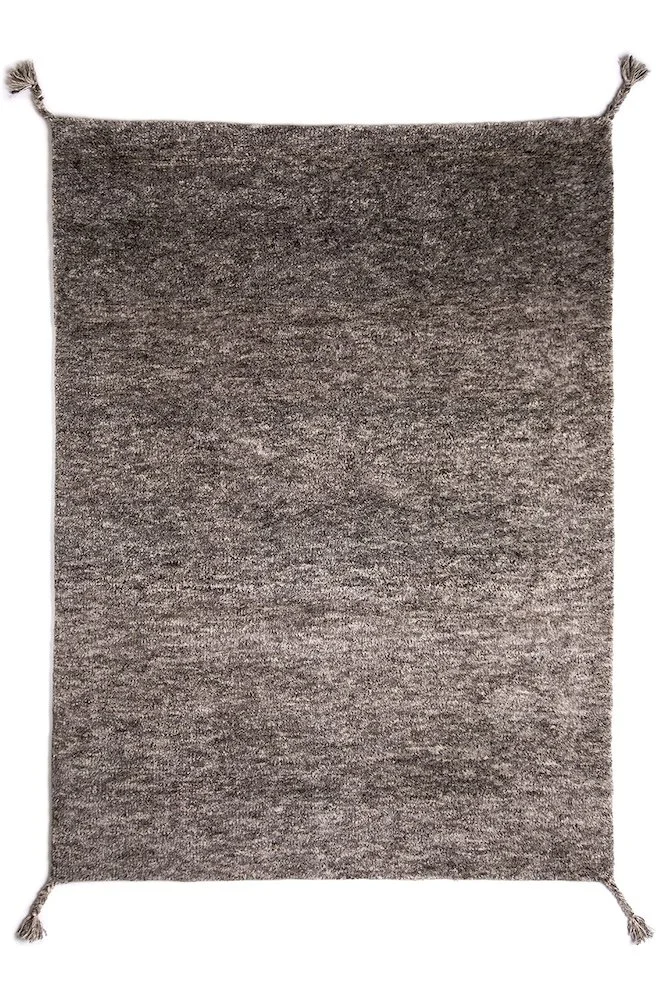
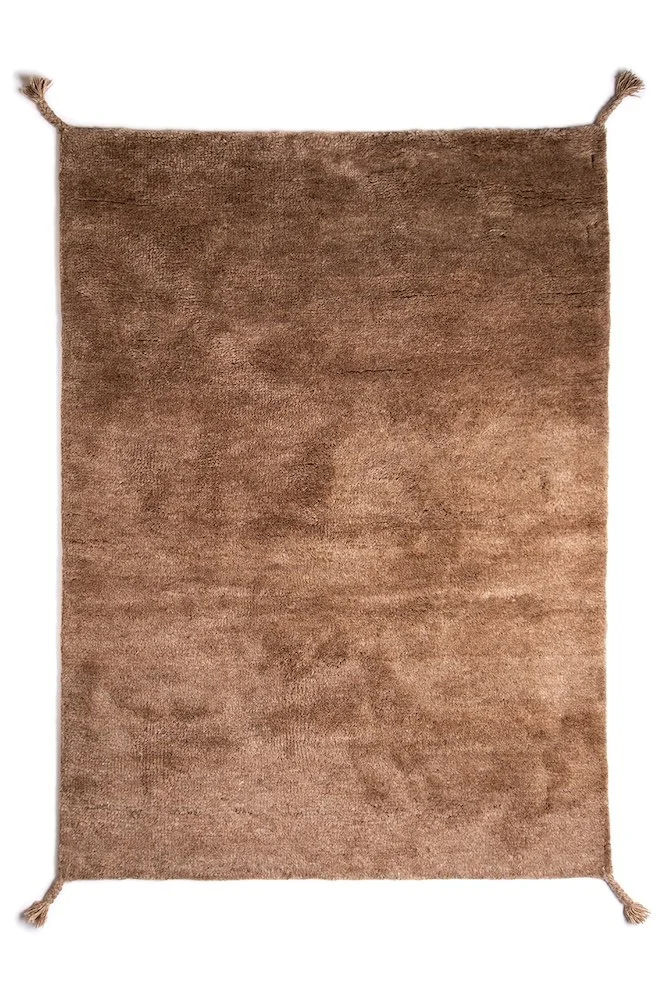
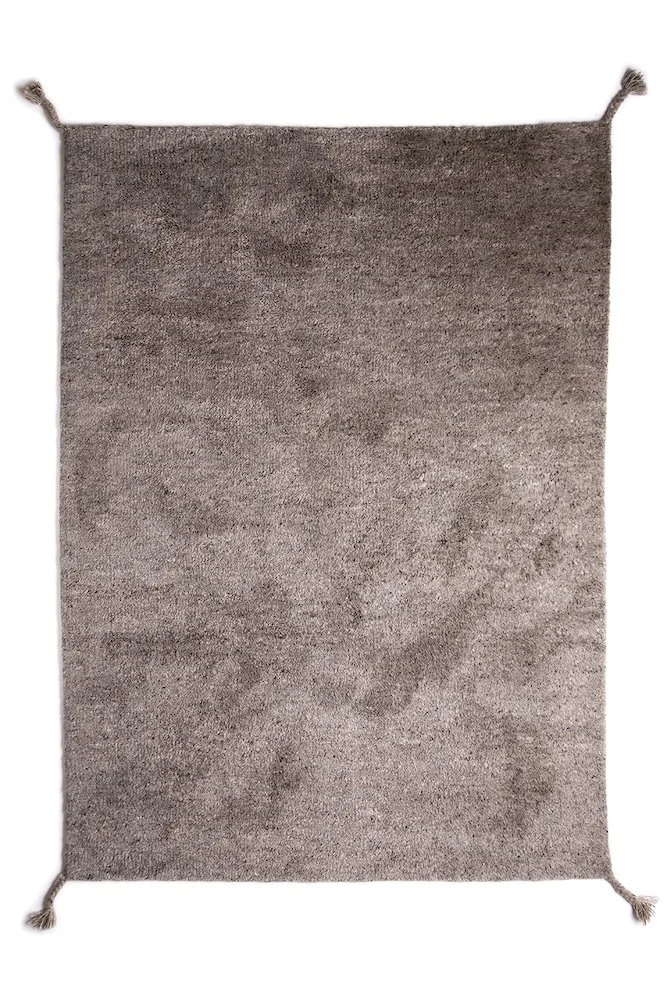
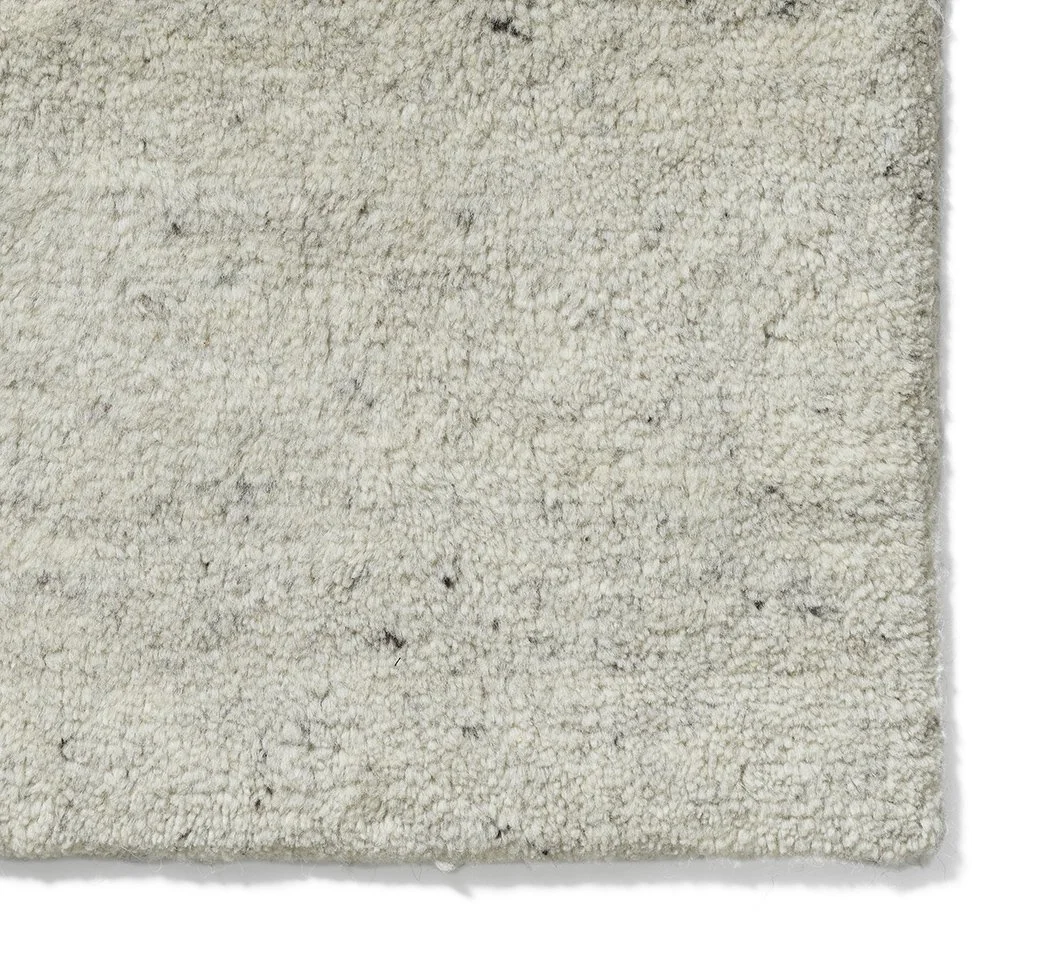
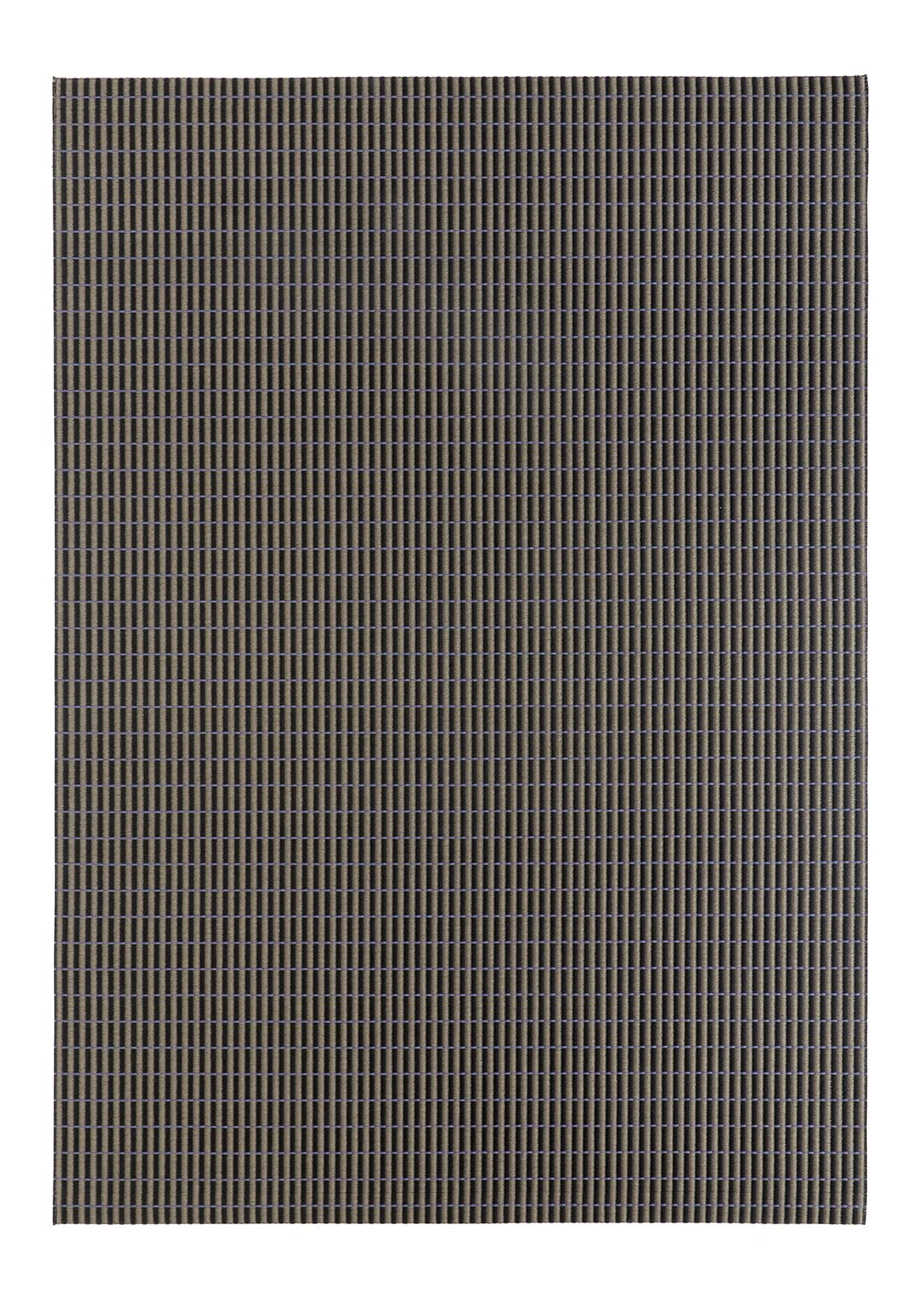
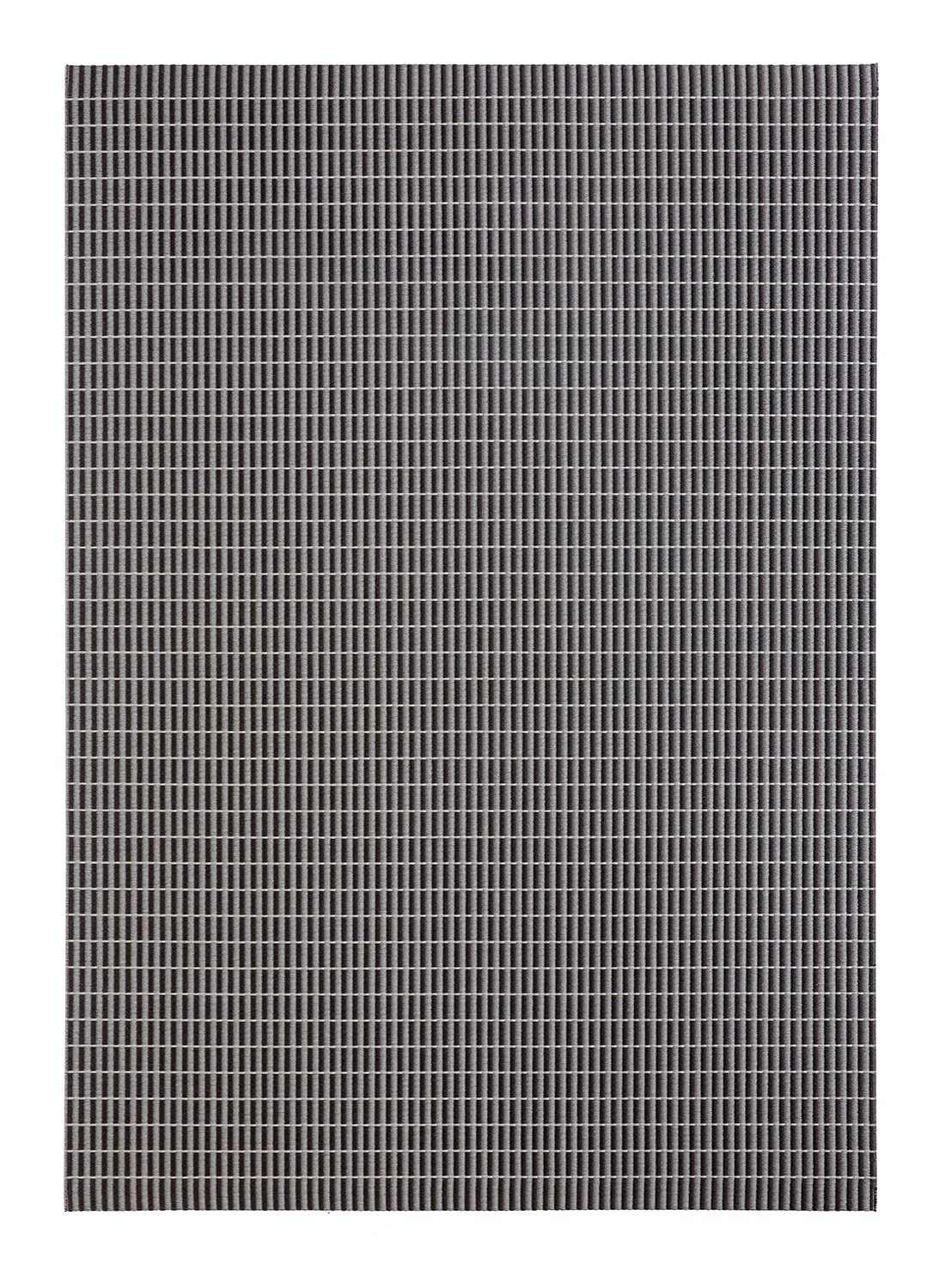
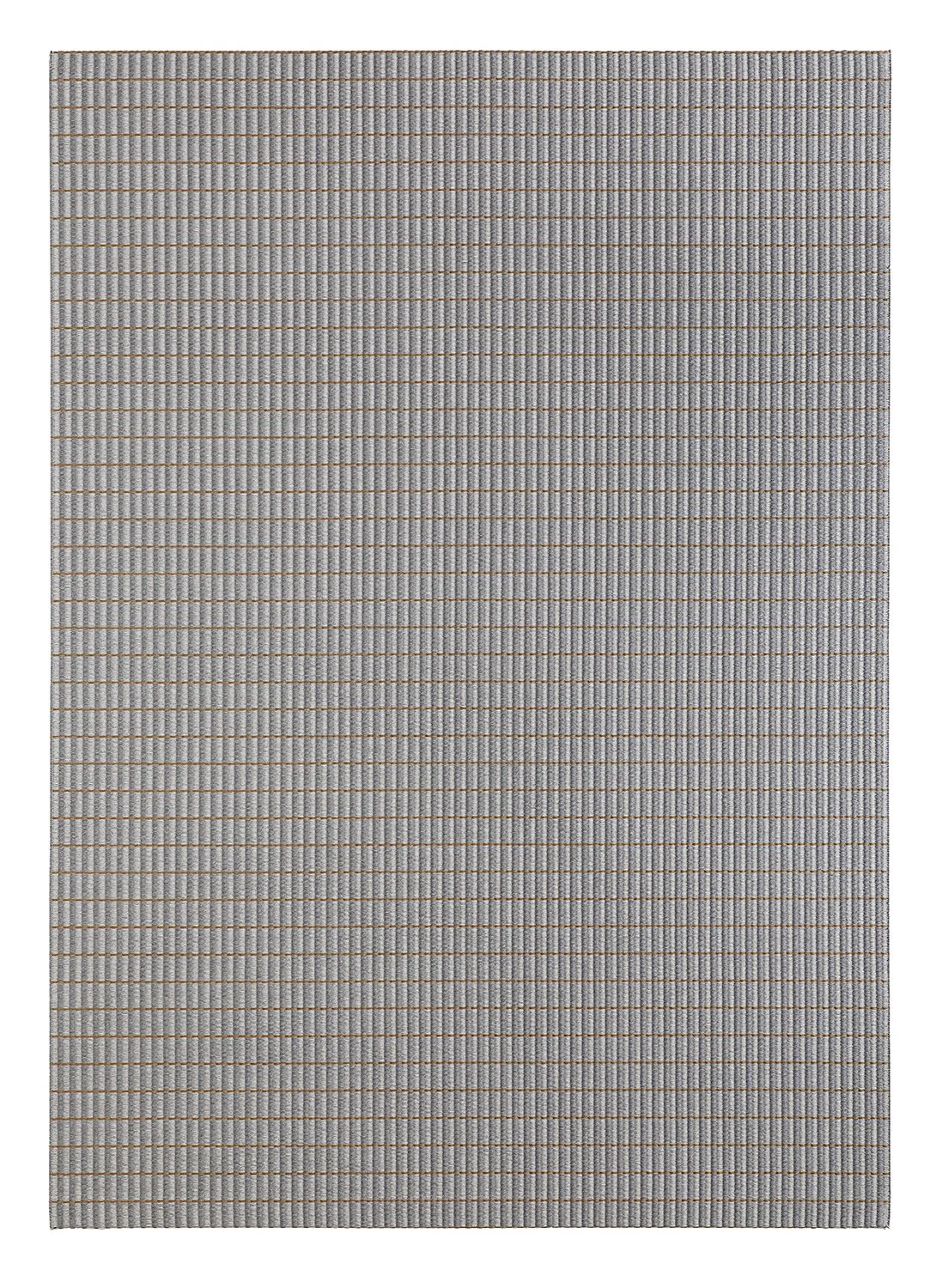
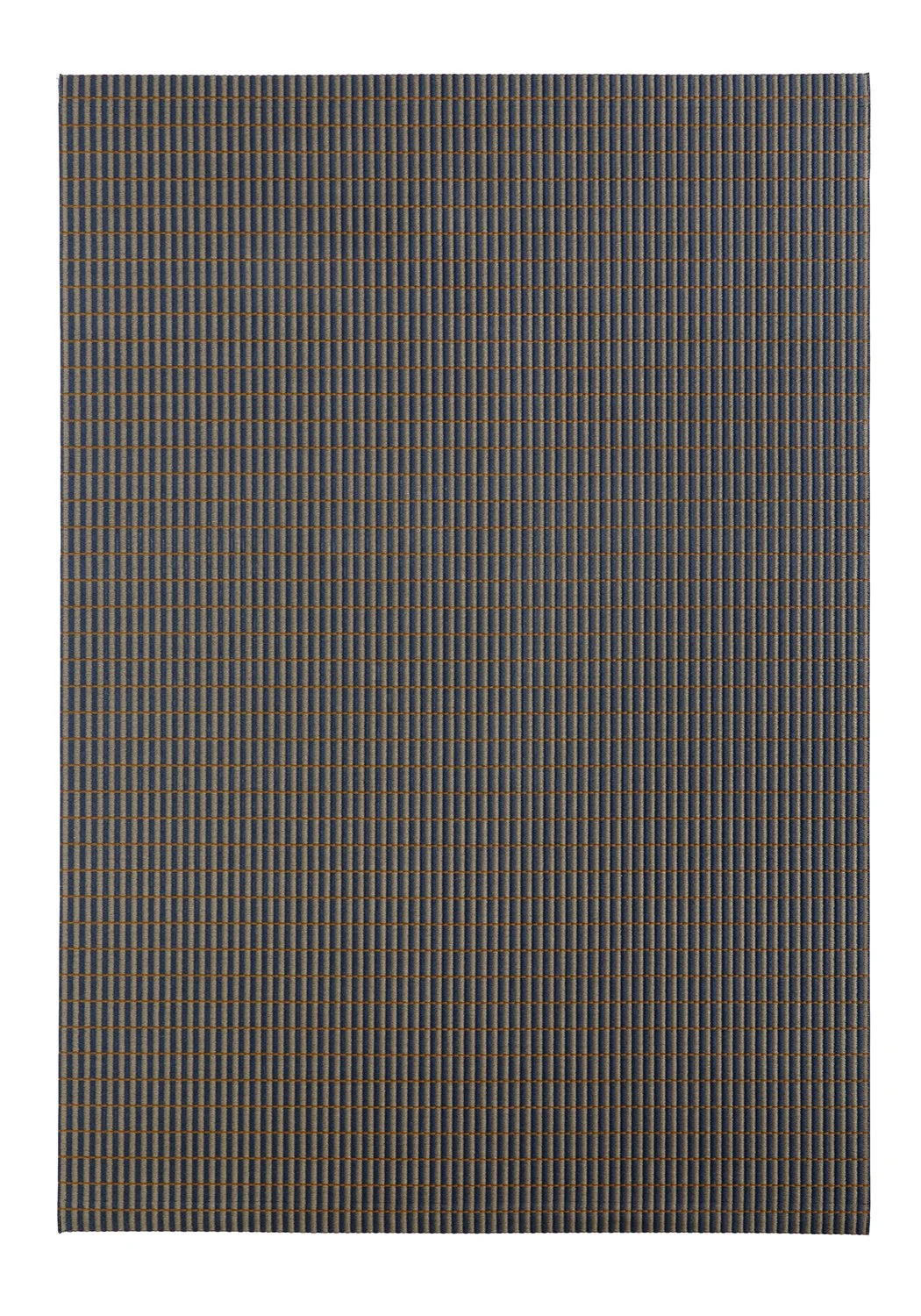
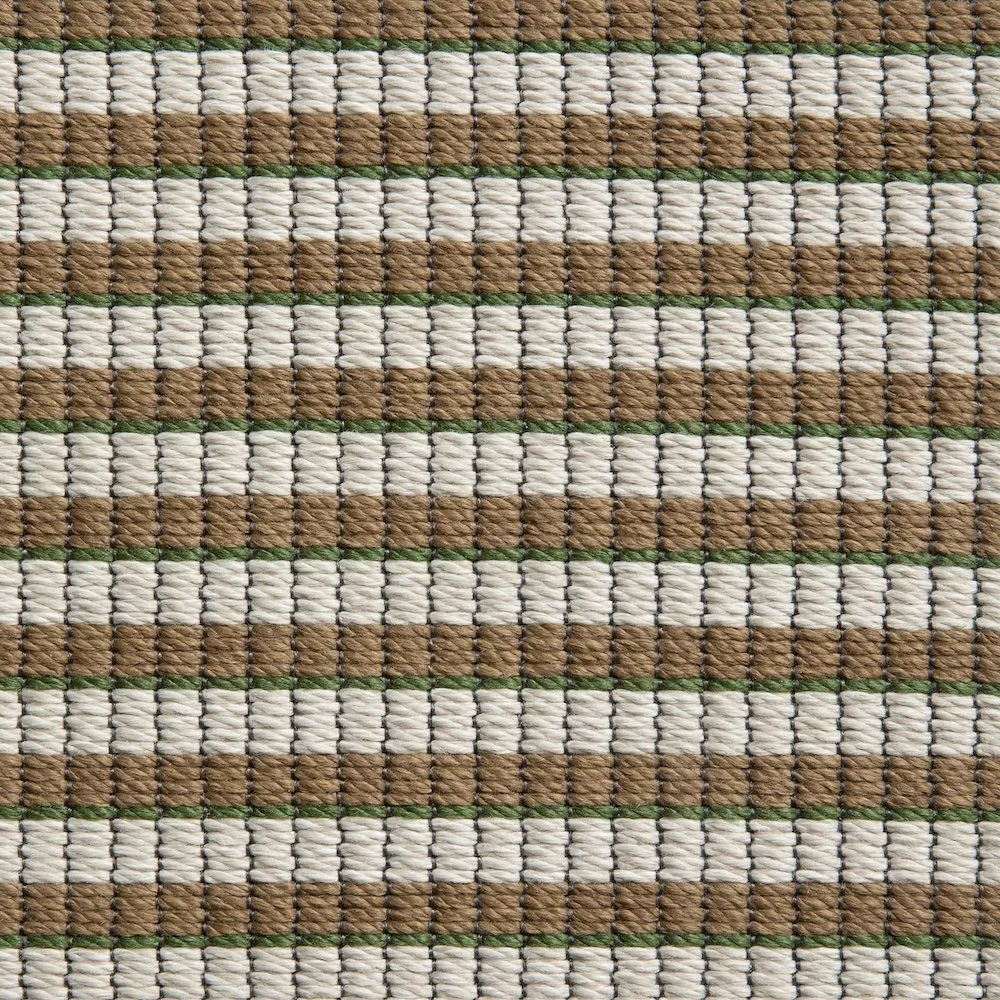
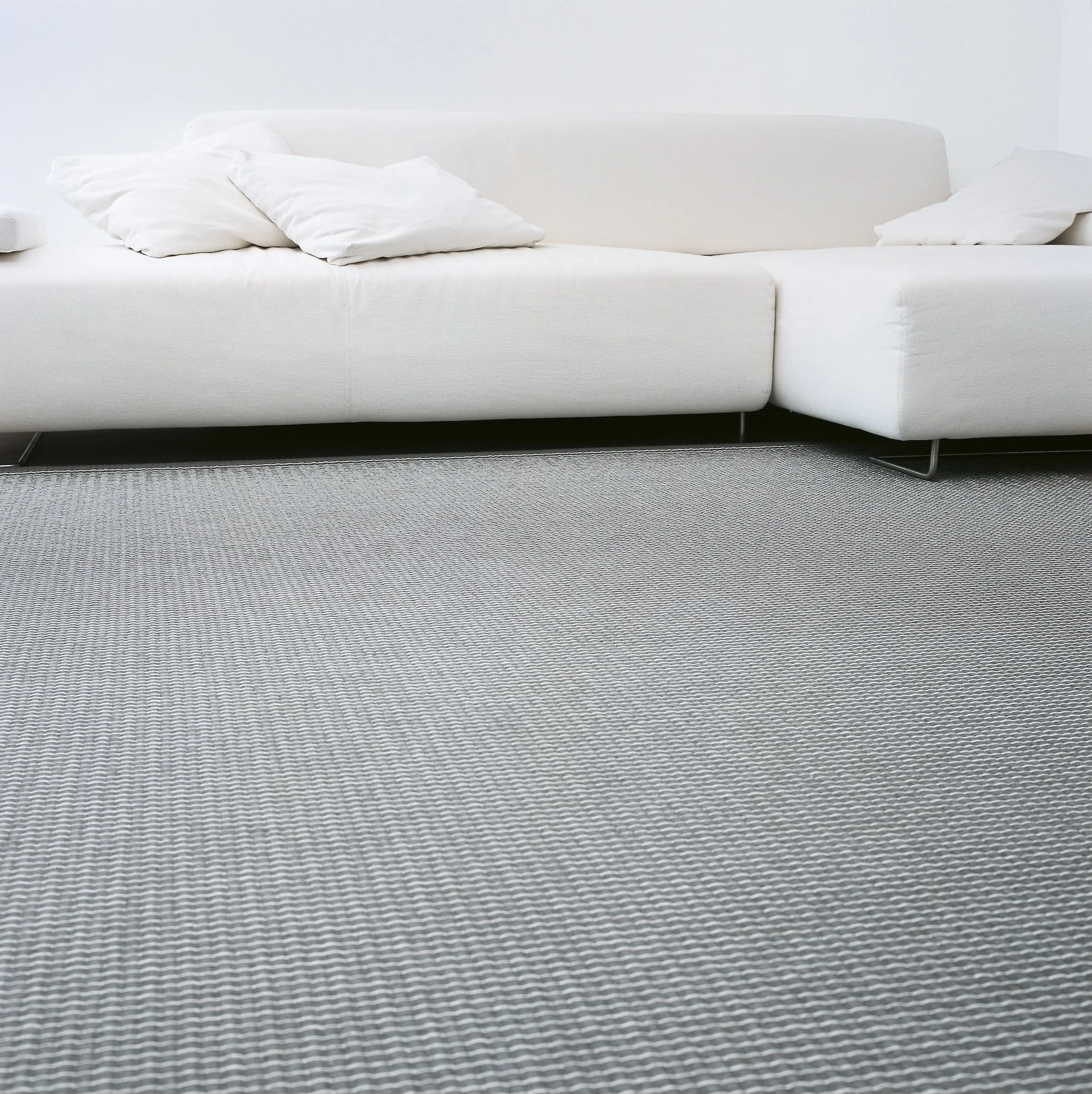
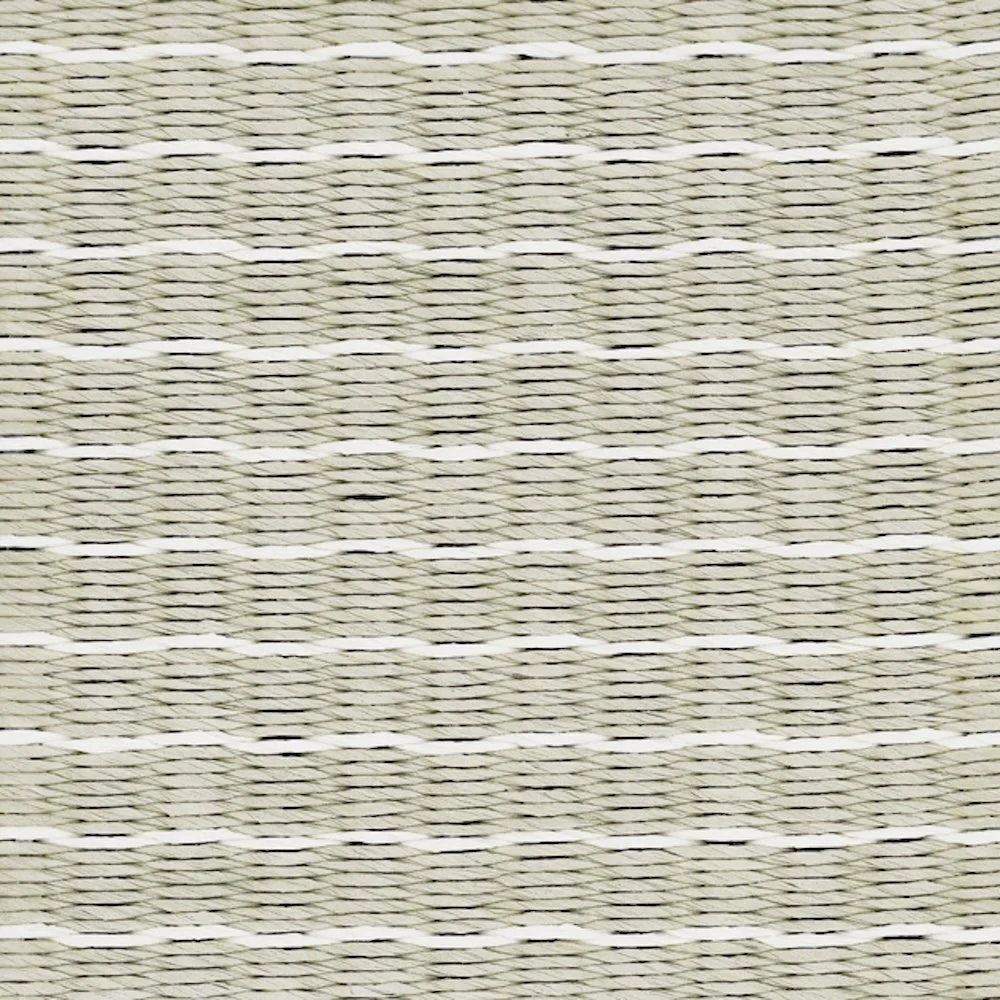
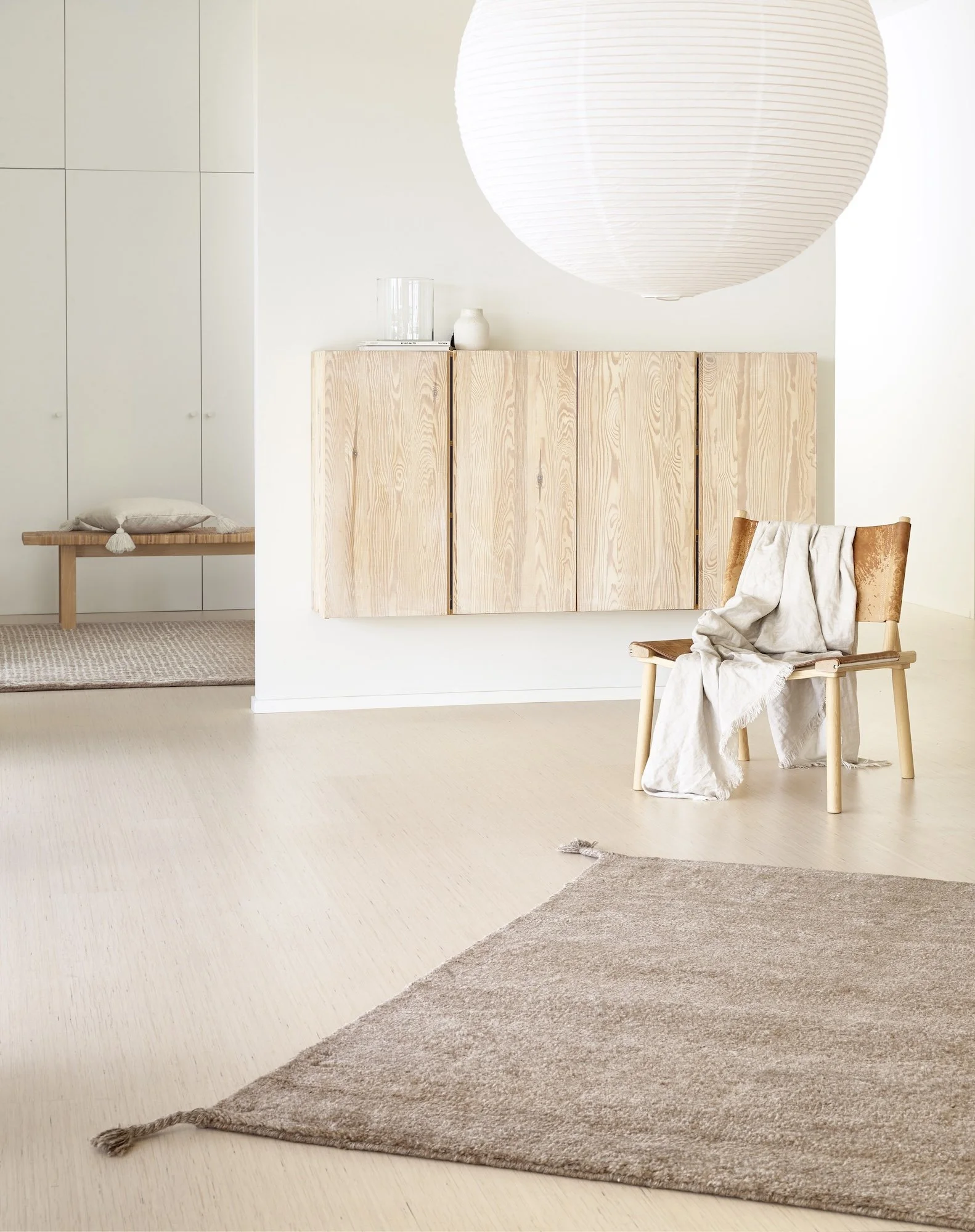
Hand knotted and plain/monochrome Uni carpet is made of New Zealand wool 90% and cotton 10%. The name of the carpet refers to the word “unicolor / unicolour”. The color palette is soft earthy, colors are natural sheep wool colors (except black) that have not been chemically dyed. Since most of the wool remains undyed, less dyes, water and energy are consumed. The design solution is also as environmentally friendly as possible. The uniqueness of the monochrome Uni carpet emphasizes the fineness of genuine wool and the natural sheep wool colors. In Uni-carpets, the genuine color of the wool slightly varies as natural colors use to be varied. For example, our Uni carpet color “ivory white” includes small amounts grey and brown wool colors which bring exquisite spots of color to the surface. Genuine wool color makes each carpet completely unique: Uni-word also refers to a unique and unique piece. It is therefore to be understood that color variation is not a mistake: it is an important point that indicates the true earthy origin of the material. The delicate pile is tight and low. Each corner is decorated with a braided wool fringe, which is reminiscent of craftsmanship. The braids can be removed if desired.

Design Woodnotes design team (2018)

Hand knotted and plain/monochrome Uni carpet is made of New Zealand wool 90% and cotton 10%. The name of the carpet refers to the word “unicolor / unicolour”. The color palette is soft earthy, colors are natural sheep wool colors (except black) that have not been chemically dyed. Since most of the wool remains undyed, less dyes, water and energy are consumed. The design solution is also as environmentally friendly as possible. The uniqueness of the monochrome Uni carpet emphasizes the fineness of genuine wool and the natural sheep wool colors. In Uni-carpets, the genuine color of the wool slightly varies as natural colors use to be varied. For example, our Uni carpet color “ivory white” includes small amounts grey and brown wool colors which bring exquisite spots of color to the surface. Genuine wool color makes each carpet completely unique: Uni-word also refers to a unique and unique piece. It is therefore to be understood that color variation is not a mistake: it is an important point that indicates the true earthy origin of the material. The delicate pile is tight and low. Each corner is decorated with a braided wool fringe, which is reminiscent of craftsmanship. The braids can be removed if desired.

Color Options


Product Information

Production method hand knotted

Material 90% wool (pile and weft)

The wool is mulesing-free wool from New Zealand.

10% cotton (warp)

Weight 3,7 kg / m2

Sizes 140x200 / 170x240 / 200x300 / 250x350 cm

Special sizes available on request. The maximum width is 350 cm and the maximum length 1000 cm.

Uni carpets have acceptable variation in dimensional tolerances (e.g., rug length, width, height) that belong to and embody hand knotting and finishing as an artisan work. In a hand knotted carpet, the implementation of the weaver is unique, and as a result, the tolerances are greater than in industrially produced carpets.

Due to hand crafted reasons, the dimensional tolerances of special size carpets may vary more than standard size carpets with a variation of ±5-10 cm. The height of the pile can also vary little more on special size carpets.

Maintenance and cleaning of Woodnotes hand knotted wool carpet

 
  • This emission accounting has been calculated according to the GHG Protocol Product Life Cycle Accounting and Reporting standard. The emission inventory considers not only carbon dioxide emissions but also the global warming impact of six other greenhouse gases. The unit of calculation is carbon dioxide equivalent (CO2e), which considers all of these. The data is based on year 2021.

    Average carbon footprint per m2 of hand knotted wool carpet Uni (Cradle-to-grave): 167,63 CO2e – removals -1,20 CO2e – total 166,43 CO2e /Biogenic and fossil emissions for sheep's wool are significantly large, because calculating includes the entire life cycle of the sheep.